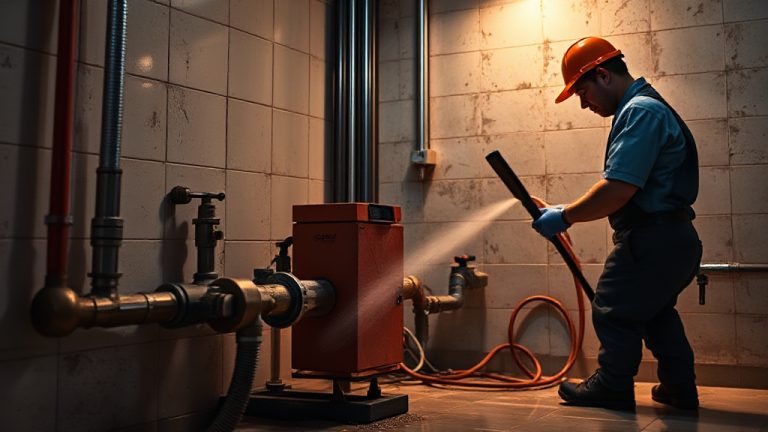
When a Drain Fails at Your Caraguatatuba Business: Recovery Planning
It is Saturday morning, your appointment book is full, and the floor drain in the back room is backing up. The cost clock starts immediately: every hour of closure is lost revenue, wasted staff time, and a customer who may not come back. If you run a shop, salon, or restaurant on a busy street, a blocked drain is not a plumbing inconvenience — it is a business interruption. The fastest path to recovery starts with knowing who to call and what to do before the problem spreads. For urgent support, a desentupidora em São Sebastião SP can be on-site quickly and clear the line before your day is completely lost.
What an Hour of Drain Failure Actually Costs a Small Business
Drain failures rarely happen at a convenient time. They show up during peak hours, when the kitchen is busiest or the salon chairs are all occupied. The direct loss is easy to count: closed doors mean zero sales while rent, payroll, and utilities keep running. But the indirect losses are often larger. Customers who see water on the floor may leave negative reviews, and regulars may try a competitor while you clean up.
There is also the staff cost. Employees stand idle, and some may need to be sent home early. If the backup involves sewage or dirty water, you may face sanitation concerns that require professional cleaning before you can reopen. A single blocked floor drain can turn a profitable Saturday into a loss-making day within two hours.
The hidden costs most owners forget
- Lost appointments and reservations that are hard to rebook at short notice.
- Damage to flooring, baseboards, and stored inventory near the drain.
- Overtime pay for staff who stay late to help with cleanup.
- Reputation damage when the problem is visible to passersby.
- Possible fines or inspection issues if wastewater reaches public areas.
The key takeaway is simple: the sooner the line is cleared, the smaller the total loss. Waiting to see if the drain clears on its own is almost always the more expensive choice.
Why Commercial Drains Block and How to Spot Trouble Early
Commercial drains work harder than residential ones. A restaurant sends grease, food scraps, and soap down the line all day. A salon pushes hair, product residue, and lint into the pipes. A shop may have floor drains that collect dust, packaging bits, and mop water. Over time, these materials combine into a sticky layer that narrows the pipe until water backs up.
Most blockages give warning signs before they become emergencies. Slow drainage, gurgling sounds, a faint smell near the drain, or small puddles after cleaning are all signals that the line is partially blocked. Owners who act on these signs usually avoid a full shutdown.
Signs that you need professional help now
If water rises in more than one drain at the same time, or if sewage odor is strong, the blockage is likely deeper in the main line. Repeated backups after DIY plunging mean the clog has not moved. In these cases, a trained team with proper equipment is needed. A local desentupidora São Sebastião can inspect the pipe, identify the cause, and choose the right method instead of guessing.
Building a Fast Recovery Plan Before the Next Blockage
Every small business should have a drain emergency plan the same way it has a fire extinguisher. The plan does not need to be complicated, but it must be written down and known by at least two people on staff. The goal is to reduce decision time when the drain fails.
Step-by-step recovery plan
- Stop using water immediately in the affected area to prevent overflow.
- Move inventory, boxes, and equipment away from the drain.
- Call a 24-hour emergency service and describe the problem clearly.
- Close off the affected area to customers and staff until it is safe.
- Document the damage with photos for insurance or landlord records.
- After the line is cleared, ask for a brief report on the cause and prevention.
Keep the emergency contact saved in your phone and posted in the back office. The best time to find a reliable provider is before you need one. A company that offers 24-hour service and clear pricing can make the difference between a one-hour interruption and a full-day closure.
What to ask before you hire
Ask whether the team uses mechanical snakes, hydro jetting, or camera inspection. Different blockages need different tools. Grease clogs often require hydro jetting to clean the pipe walls, while roots or solid objects may need cutting tools. Ask about response time, pricing structure, and whether they handle commercial lines. A professional desentupidora São Sebastião SP should be able to explain the method before starting work.
| Service option | Best for | Typical use |
|---|---|---|
| Manual snake | Small, near-surface clogs | Quick fixes in floor drains |
| Hydro jetting | Grease, scale, and sludge | Restaurant and salon lines |
| Camera inspection | Locating hidden damage | Repeat blockages |
Preventing Repeat Blockages During Busy Weeks
Prevention is cheaper than any emergency call. Train staff to never pour grease or oil down drains, even in small amounts. Use drain screens in prep areas and cleaning stations to catch hair and solids. Schedule a professional maintenance cleaning once or twice a year, depending on your volume of use.
For restaurants, grease trap maintenance is not optional. For salons, a weekly screen cleanout takes minutes and prevents major buildup. For shops, keep floor drains clear of debris and report slow drainage before it becomes a backup. These small habits protect your busiest days.
Also review your insurance policy and lease agreement. Some policies cover sudden water damage, and some leases make the tenant responsible for drain maintenance. Knowing this in advance avoids disputes later. A written maintenance log also shows good faith if a landlord questions the cause of damage.
Frequently Asked Questions About Operating During a Partial Blockage
Can I stay open if only one drain is slow?
Sometimes yes, but with caution. If the slow drain is in a non-customer area and no water is backing up elsewhere, you may continue limited operations while waiting for service. Stop using that drain, place a warning sign, and avoid running large amounts of water. If the flow worsens or a second drain backs up, close the area immediately.
How long does a professional desentupimento take?
Most simple blockages are cleared within one to two hours after the team arrives. Deeper clogs or main line issues may take longer, especially if camera inspection or hydro jetting is needed. Ask for an estimate when you call so you can plan staffing and customer communication.
Should I try chemical drain cleaners first?
Chemical cleaners can damage older pipes and rarely solve commercial grease clogs. They also create safety risks for staff and plumbers. For a business, mechanical cleaning by a professional is safer and more effective. Keep chemicals out of commercial drains.
What should I tell customers during a closure?
Be honest and brief. A sign on the door and a social media update saying you are handling a maintenance issue and will reopen shortly works well. Offer to rebook appointments or reservations. Most customers appreciate transparency and return when the problem is resolved quickly.
About the Author